


China Tel: +86-13761540945
Thailand Tel: +66 99 109 1956
Thailand Tel: +66 92 242 5845
liwu78465@gmail.com



পোশাকের তাক Supplier
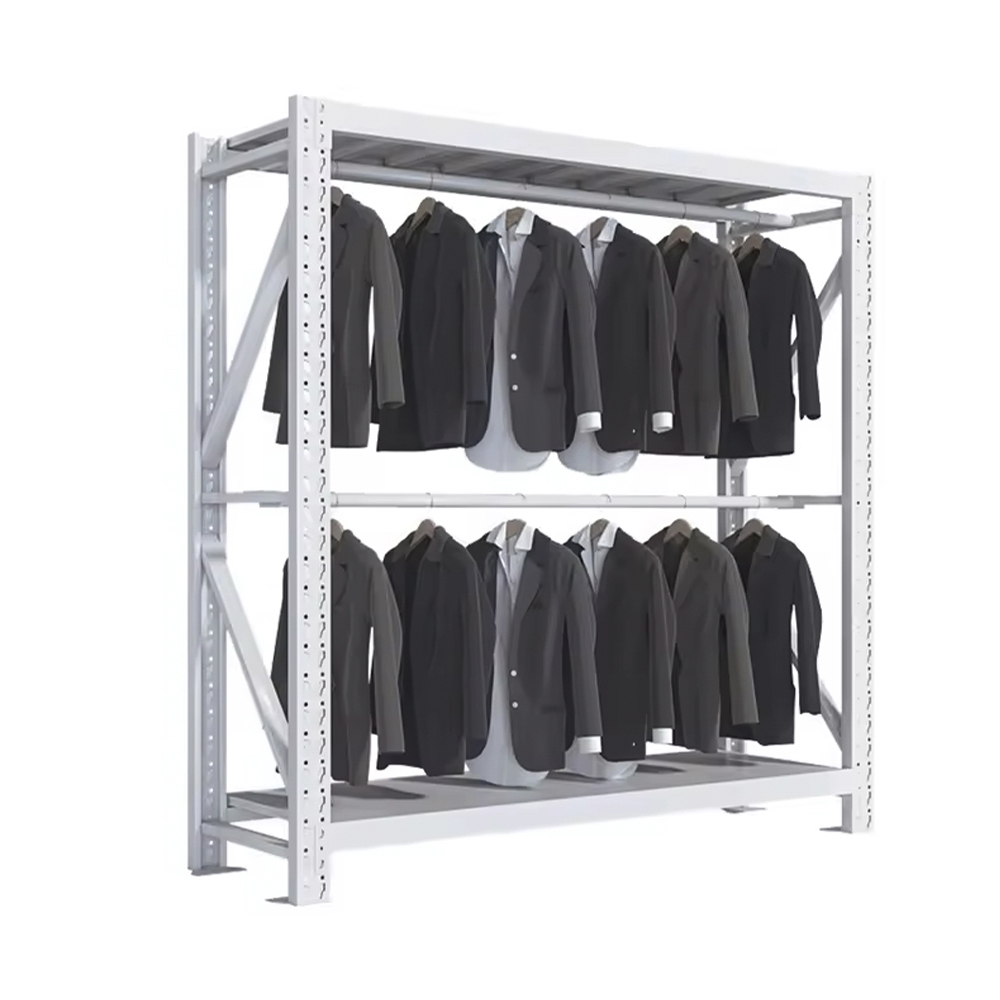
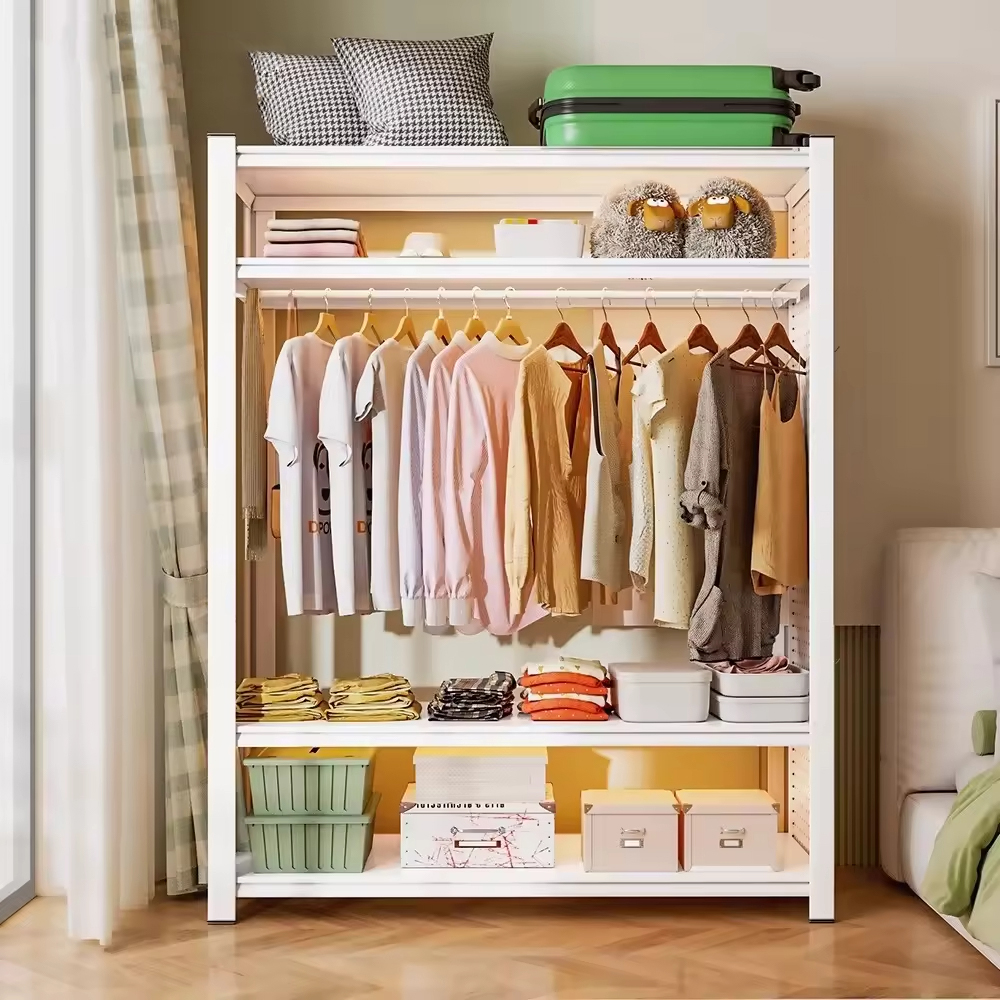
উপযোগী পোশাক স্টোরেজ এবং ডিসপ্লে র্যাকিং সিস্টেম
পোশাক শিল্পের জন্য বিশেষভাবে ডিজাইন করা হয়েছে, আমাদের কাস্টম র্যাকিং সমাধানগুলি আপনার অনন্য পোশাক স্টোরেজ এবং অপারেশনাল প্রয়োজনীয়তাগুলিকে সমাধান করে:
· স্পেস-অপ্টিমাইজড ডিজাইন: কাস্টম মাত্রা, উচ্চতা এবং ঝুলন্ত রেল কনফিগারেশনগুলি আপনার গুদাম বা খুচরা মেঝে স্থানকে সর্বাধিক করে তোলে, যা বাল্ক স্টোরেজ এবং বাড়ির সামনের প্রদর্শনকে সমর্থন করে।
· মজবুত এবং টেকসই বিল্ড: অ্যান্টি-রাস্ট ট্রিটমেন্ট সহ স্ট্যান্ডার্ড বা লেপা ইস্পাত পাওয়া যায়, আর্দ্র পরিবেশ, পোশাক কারখানা এবং লজিস্টিক হাবগুলির জন্য উপযুক্ত। লোড ক্ষমতা খুচরা বিক্রেতার জন্য হালকা-শুল্ক থেকে উচ্চ-ভলিউম বিতরণ কেন্দ্রের জন্য ভারী-শুল্ক পর্যন্ত।
আমাদের আলাদা কি সেট করে
আমরা যারা
আরও ভালো শেভিং, ভাল ব্যবসা
Shanghai King Global Shelf Co.,Ltd. is a leading manufacturer of shelving and storage solutions for
সরবরাহ এবং গুদামজাতকরণ। হোম র্যাক, শিল্প ভারী-শুল্ক শেল্ভিং, এবং গুদাম বিশেষজ্ঞ
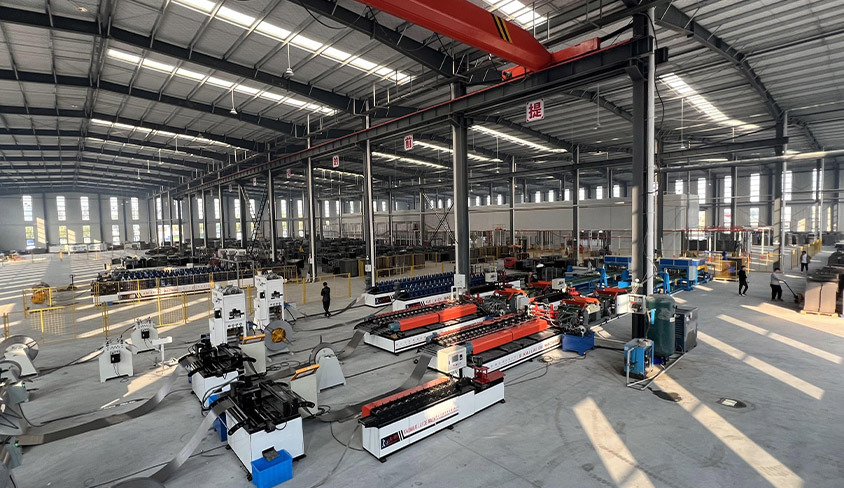
অপ্টিমাইজেশান সিস্টেম। 2010 সালে প্রতিষ্ঠিত, আমরা একটি আধুনিক সুবিধা সহ শক্তিশালী উত্পাদন ক্ষমতা তৈরি করেছি,
experienced team, and reliable quality control. We are China পোশাকের তাক Supplier and Wholesale পোশাকের তাক Factory, our products are designed to improve display, storage
দক্ষতা, এবং বিভিন্ন বাজারের জন্য স্থান ব্যবহার. স্থিতিশীল মানের, নমনীয় সমাধান সহ,
এবং প্রতিক্রিয়াশীল পরিষেবা, আমরা দেশীয় এবং বিদেশী উভয় বাজারে গ্রাহকদের সমর্থন করি।
আমাদের সম্পর্কে


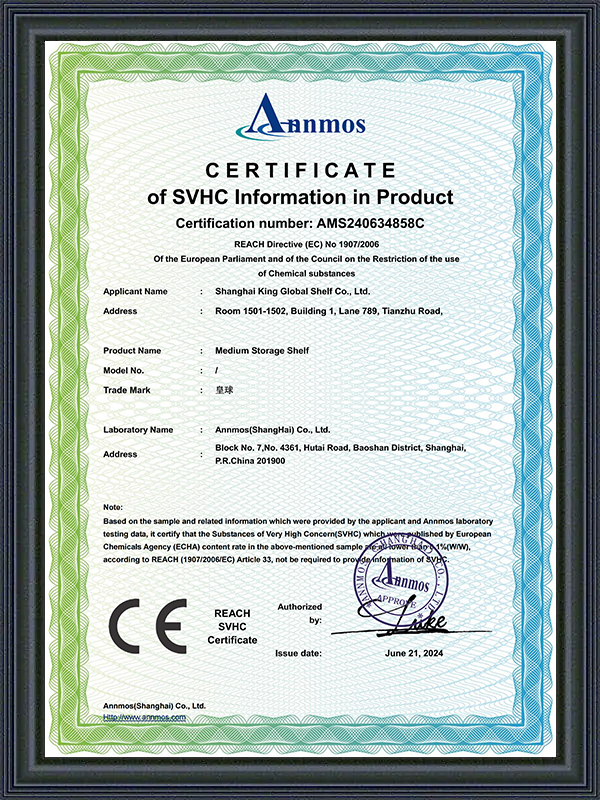
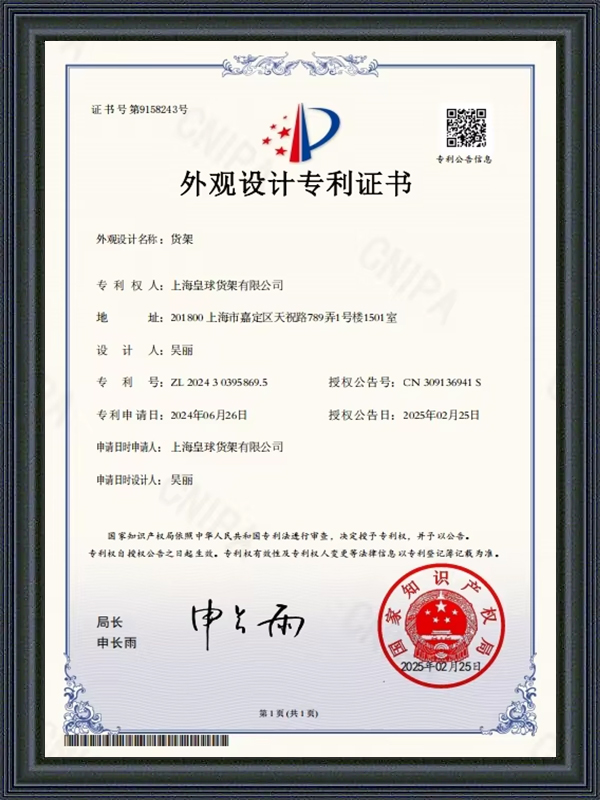
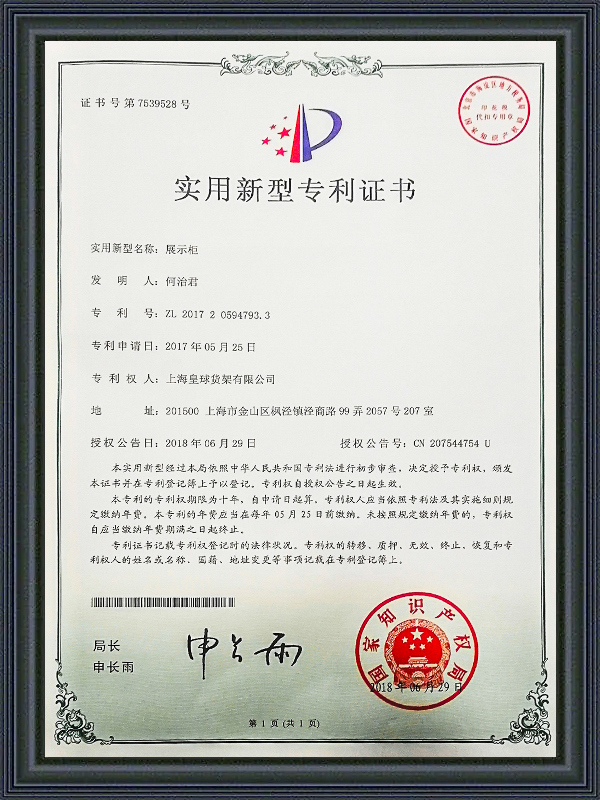
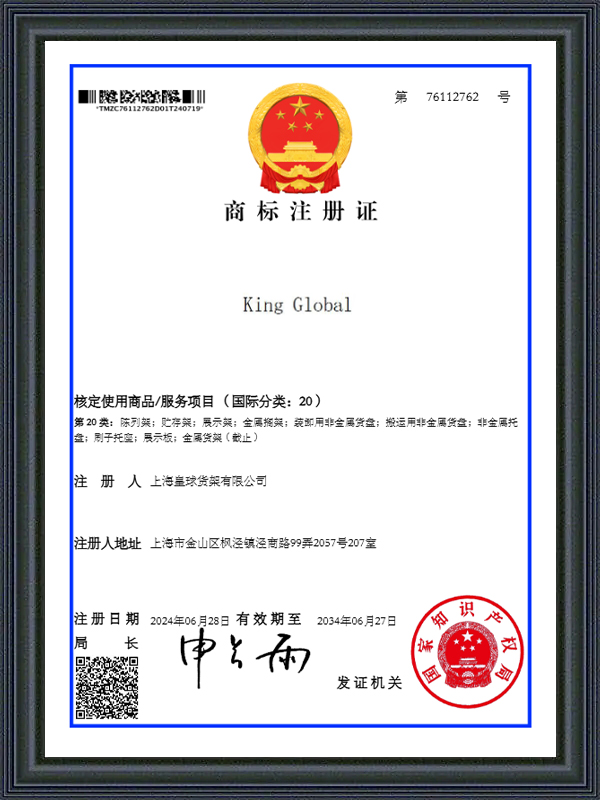
সম্মান
সম্মানের শংসাপত্র
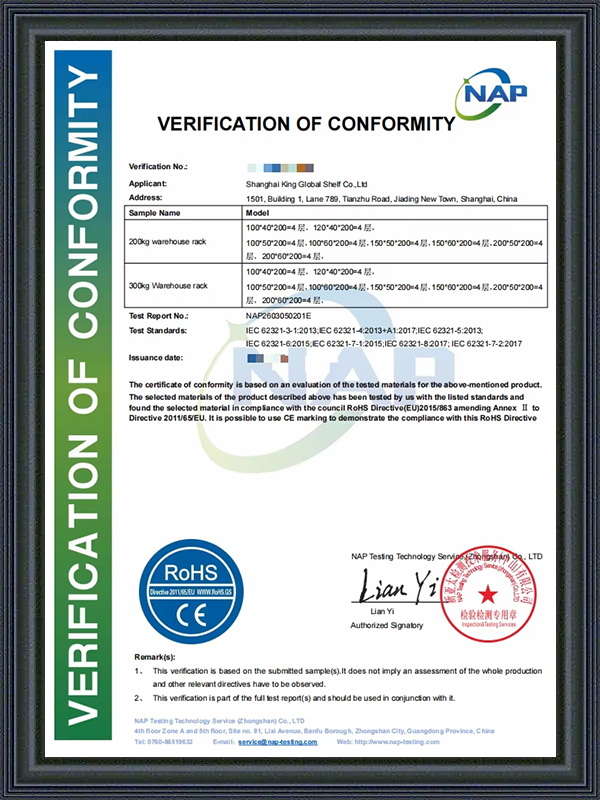
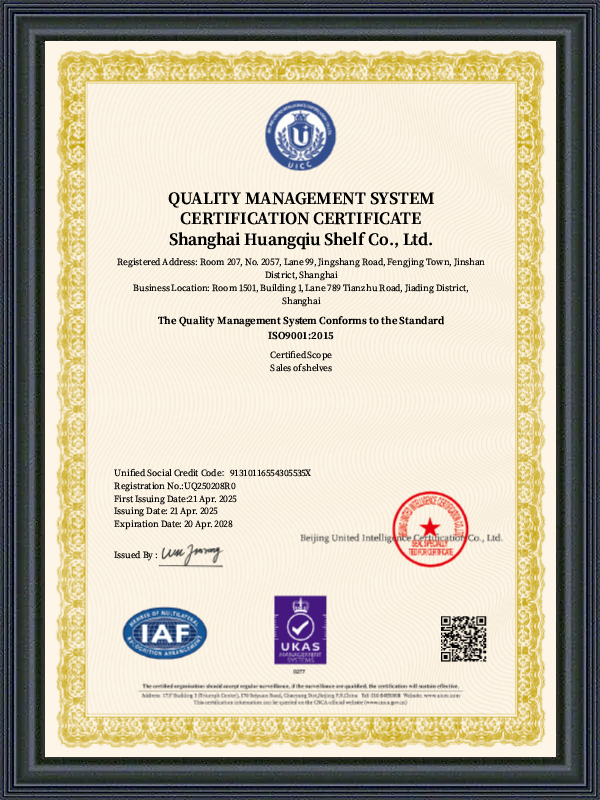
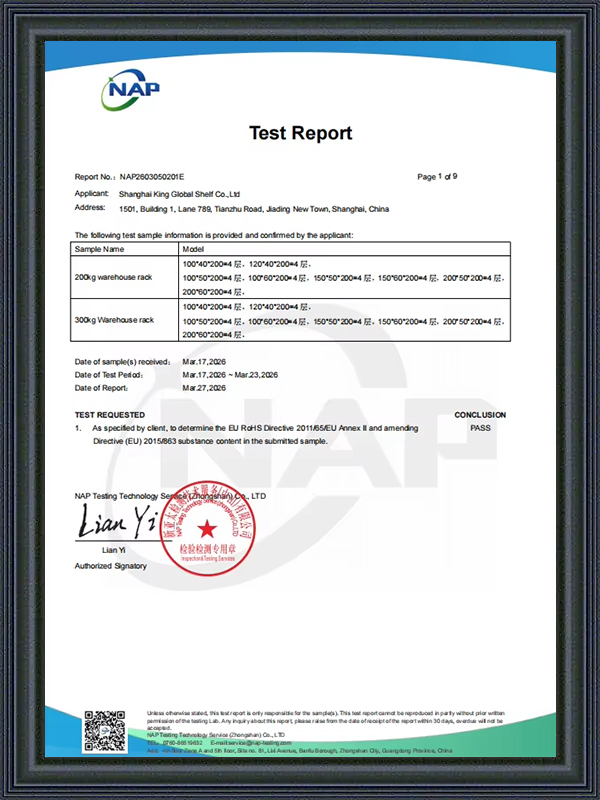
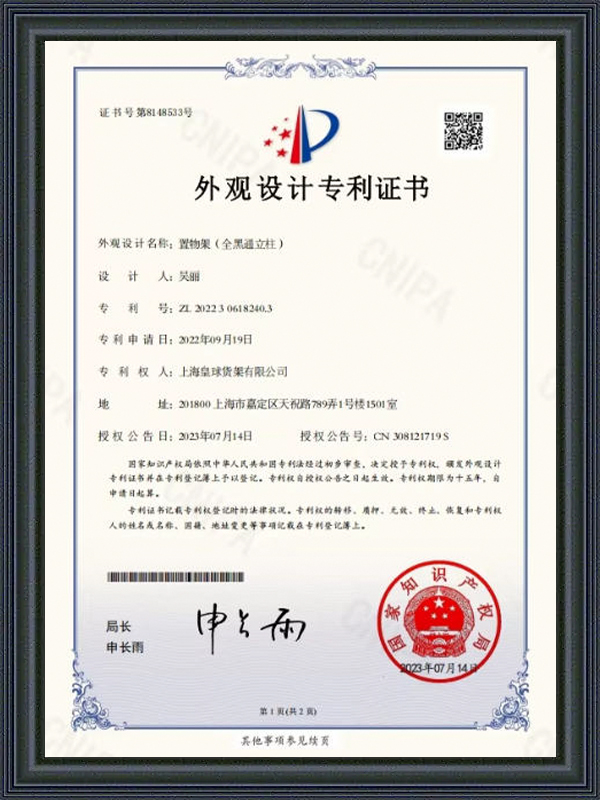
-

 2026-06-11
 কোম্পানির খবর
-
2026-06-11
কোম্পানির খবর
প্রতিক্রিয়া
বার্তা প্রতিক্রিয়া
জ্ঞান
পোশাকের তাক Industry knowledge
1. পোশাক র্যাক সিস্টেমের ওভারভিউ
A পোশাক আলনা এটি একটি স্টোরেজ এবং ডিসপ্লে স্ট্রাকচার যা ফ্ল্যাট শেল্ফ প্যানেলের পরিবর্তে ঝুলন্ত রেলে পোশাক রাখার জন্য ডিজাইন করা হয়েছে, এটি গুদাম এবং খুচরা স্টোরেজ সরঞ্জামের বিস্তৃত পরিবারের মধ্যে একটি স্বতন্ত্র শ্রেণীতে পরিণত হয়েছে। বক্সযুক্ত বা প্যালেটাইজড পণ্যের জন্য তৈরি শেল্ভিংয়ের বিপরীতে, একটি পোশাকের র্যাক অনুভূমিক বা জেড-আকৃতির রেল বিভাগের চারপাশে তৈরি করা হয় যা হ্যাঙ্গারে পোশাককে সমর্থন করে, আইটেমগুলিকে সহজে দৃশ্যমান এবং অ্যাক্সেসযোগ্য রাখার সময় উল্লম্ব স্থানের দক্ষ ব্যবহারের অনুমতি দেয়। পোশাকের গুদামে বাল্ক স্টোরেজ থেকে শুরু করে খুচরা ব্যাকরুম এবং ডিস্ট্রিবিউশন সেন্টারে সংগঠিত প্রদর্শন পর্যন্ত এই র্যাক বিভাগটি পোশাক সরবরাহ চেইন বরাবর একাধিক পয়েন্টে ব্যবহৃত হয়। পোশাকের র্যাকের ফ্রেমটি সাধারণত স্টিলের টিউবিং বা প্রোফাইলযুক্ত স্টিলের অংশ থেকে তৈরি করা হয়, যেখানে আর্দ্রতা বা ঘন ঘন হ্যান্ডলিং সাধারণ পরিবেশে মরিচা প্রতিরোধ করার জন্য একটি প্রতিরক্ষামূলক আবরণ দিয়ে সমাপ্ত করা হয়। যেহেতু গার্মেন্টস আকার, ওজন এবং ঝুলন্ত পদ্ধতিতে ব্যাপকভাবে পরিবর্তিত হয়, তাই একটি পোশাকের র্যাক প্রায়শই সামঞ্জস্যযোগ্য রেলের উচ্চতা এবং কিছু কনফিগারেশনে, একটি সুবিধার মধ্যে পুনঃস্থাপনের জন্য কাস্টারের মতো গতিশীলতার বৈশিষ্ট্যগুলির সাথে ডিজাইন করা হয়।
একটি পোশাকের র্যাকের মূল কাজ হল আইটেমগুলিকে সংগঠিত এবং অক্ষত রাখার সময় একটি নির্দিষ্ট মেঝে এলাকায় সংরক্ষণ করা বা প্রদর্শন করা যেতে পারে এমন পোশাকের সংখ্যা সর্বাধিক করা। পোশাক গুদামগুলিতে, একটি পোশাকের র্যাক বাছাই বা শিপিংয়ের আগে বাল্ক স্টোরেজ সমর্থন করে, যখন খুচরা এবং লজিস্টিক হাবগুলিতে এটি প্রায়শই আউটবাউন্ড অর্ডারের জন্য স্টোরেজ এবং স্টেজিংয়ের দ্বৈত উদ্দেশ্য পরিবেশন করে। একটি পোশাকের র্যাকের কাঠামোগত সরলতা, এটির রেল ভিত্তিক নকশার সাথে মিলিত, এটিকে এমন পরিবেশের জন্য উপযুক্ত করে তোলে যেখানে পোশাকগুলিকে সঞ্চয়স্থান, বাছাই এবং প্রেরণ অঞ্চলগুলির মধ্যে ঘন ঘন সরানো প্রয়োজন।
2. স্ট্রাকচারাল ডিজাইন এবং কাজের নীতি
(1) মূল উপাদান
একটি পোশাক র্যাকের কার্য নীতি অনুভূমিক রেল বরাবর ঝুলন্ত পোশাকের সম্মিলিত ওজন বিতরণের উপর কেন্দ্রীভূত হয়, যা উল্লম্ব খাড়া বা শেষ ফ্রেম দ্বারা সমর্থিত। একক রেল ডিজাইনে, একটি অবিচ্ছিন্ন বার র্যাকের দৈর্ঘ্যকে বিস্তৃত করে, যখন ডাবল রেল এবং জেড-র্যাক কনফিগারেশন একই পদচিহ্নের মধ্যে ঝুলন্ত ক্ষমতা বাড়াতে একাধিক রেল স্তর বা কোণীয় বিভাগ ব্যবহার করে। শেষ ফ্রেম বা সাপোর্ট লেগ লোডকে রেল থেকে মেঝেতে স্থানান্তরিত করে, এবং অনেক ডিজাইনে তির্যক ব্রেসিং বা একটি বৃহত্তর বেস অন্তর্ভুক্ত করা হয় যাতে র্যাকটি লোড করা বা সরানো হয়। কাপড়ের র্যাকের গোড়ায় প্রায়শই কাস্টার যুক্ত করা হয় যাতে বিচ্ছিন্ন না করেই গুদাম বা বিক্রয়ের মেঝে জুড়ে স্থানান্তর করা যায়, যখন চাকার লকিং মেকানিজম রাকটিকে একবার অবস্থানে রাখতে সাহায্য করে।
(2) র্যাক প্রকার জুড়ে ঝুলন্ত ক্ষমতা তুলনা
নীচের চার্টটি পর্যালোচনা করার আগে, সাধারণ পোশাকের র্যাক কনফিগারেশন জুড়ে ঝুলন্ত ক্ষমতা কীভাবে পরিবর্তিত হয় তা বোঝা সহায়ক। এই প্রেক্ষাপটে ধারণক্ষমতা বলতে বোঝায় আনুমানিক কতগুলি পোশাক একটি র্যাকে তার রেলের দৈর্ঘ্য বরাবর মিটমাট করা যায়, যা রেলের সংখ্যা, রেলের দৈর্ঘ্য এবং সামগ্রিক ফ্রেমের নকশার উপর নির্ভর করে। সরল কনফিগারেশন যেমন একটি একক রেল রোলিং র্যাক কম ক্ষমতা কিন্তু বেশি গতিশীলতা প্রদান করে, যখন বহু-স্তর বা শিল্প রেল ব্যবস্থা উল্লেখযোগ্যভাবে উচ্চ ঝুলন্ত ক্ষমতার জন্য কিছু গতিশীলতার ব্যবসা করে। এই সম্পর্ক বুঝতে সুবিধাগুলিকে পোশাকের র্যাক কনফিগারেশনকে তাদের প্রকৃত পোশাকের পরিমাণ এবং হ্যান্ডলিং প্যাটার্নের সাথে মেলে। নীচের চার্ট তিনটি সাধারণ কনফিগারেশন জুড়ে সাধারণ ঝুলন্ত ক্ষমতা রেঞ্জের একটি উদাহরণমূলক তুলনা উপস্থাপন করে।
উপরের বার চার্টটি সাধারণ পোশাকের র্যাক কনফিগারেশন জুড়ে দেখা একটি সাধারণ প্যাটার্নের রূপরেখা দেয়, যেটি দেখায় যে রেলের কাঠামো আরও জটিল হওয়ার সাথে সাথে ঝুলন্ত ক্ষমতা কীভাবে বৃদ্ধি পায়। চিত্রিত হিসাবে, একটি একক রেল রোলিং র্যাক পরিসরের নীচের প্রান্তটি দখল করে, সাধারণত পঞ্চাশ থেকে আশি পোশাকের মধ্যে সমর্থন করে, যা এটিকে অস্থায়ী স্টেজিং, ছোট খুচরা ব্যাকরুম, বা মোবাইল সাজানোর কাজগুলির জন্য উপযুক্ত করে তোলে যেখানে ঘন ঘন পুনঃস্থাপন সর্বোচ্চ ক্ষমতার চেয়ে বেশি মূল্যবান। ডাবল রেল বা জেড-র্যাক কনফিগারেশন চার্টের মাঝখানে বসে, সাধারণত পায়ের ছাপ উল্লেখযোগ্যভাবে না বাড়িয়ে ঝুলন্ত দৈর্ঘ্য যোগ করতে দুটি রেল স্তর বা একটি কোণযুক্ত Z-আকৃতির ফ্রেম ব্যবহার করে একশ থেকে একশ পঞ্চাশটি পোশাকের মধ্যে সমর্থন করে। এই মধ্যবিত্ত বিভাগটি পোশাকের গুদাম এবং বিতরণ কেন্দ্রগুলিতে ব্যাপকভাবে ব্যবহৃত হয় যেখানে পোশাকগুলিকে শৈলী বা ক্রম অনুসারে গোষ্ঠীবদ্ধ করা প্রয়োজন এবং এখনও র্যাকটিকে কাজের অঞ্চলগুলির মধ্যে স্থানান্তরিত করার অনুমতি দেয়। চার্টের শীর্ষে দেখানো ইন্ডাস্ট্রিয়াল হ্যাঙ্গিং র্যাকগুলি উচ্চ ভলিউম স্টোরেজের জন্য ডিজাইন করা হয়েছে এবং সাধারণত একশত পঞ্চাশটিরও বেশি পোশাককে সমর্থন করতে পারে, কখনও কখনও রেলের দৈর্ঘ্য এবং ফ্রেমের উচ্চতার উপর নির্ভর করে কম শতকে পৌঁছায়। এই শিল্প কনফিগারেশনগুলি সাধারণত ঘন ঘন সরানোর পরিবর্তে বৃহত্তর পোশাক গুদামের মধ্যে নির্দিষ্ট স্টোরেজ জোনে ব্যবহার করা হয়, যেহেতু তাদের স্কেল একটি স্থির বাল্ক স্টোরেজ ভূমিকার জন্য আরও উপযুক্ত। চার্টটি গতিশীলতা এবং ক্ষমতার মধ্যে একটি সাধারণ বাণিজ্য বন্ধকেও প্রতিফলিত করে যা পোশাকের র্যাক বিভাগে সাধারণ, যেখানে উচ্চ ক্ষমতার কনফিগারেশনগুলি কাস্টার মাউন্ট করা গতিশীলতার পরিবর্তে একটি বিস্তৃত বা ভারী বেসের উপর নির্ভর করে। এটির গার্মেন্ট স্টোরেজ প্রয়োজনীয়তা মূল্যায়ন করার সুবিধার জন্য, এই তুলনাটি একটি উপযুক্ত র্যাক কনফিগারেশনের সাথে দৈনিক থ্রুপুট এবং উপলব্ধ ফ্লোর স্পেস মেলানোর জন্য একটি প্রারম্ভিক রেফারেন্স সরবরাহ করে। প্রকৃত পোশাকের পরিমাণের জন্য ছোট আকারের একটি কনফিগারেশন নির্বাচন করা হলে ভিড়ের রেললাইন এবং আইটেমগুলি সনাক্ত করতে অসুবিধা হতে পারে, যেখানে একটি স্থান সীমাবদ্ধ খুচরা পরিবেশে একটি বড় কনফিগারেশন অপ্রয়োজনীয়ভাবে ব্যবহারযোগ্য মেঝে এলাকা হ্রাস করতে পারে। চার্টে চিত্রিত সম্পর্ক তাই একটি ব্যবহারিক সূচনা পয়েন্ট যখন একটি পোশাক স্টোরেজ বিন্যাসের পরিকল্পনা পর্যায়ে কনফিগারেশনের তুলনা করা হয়।
3. পোশাক র্যাকের সাধারণ প্রকার এবং বৈশিষ্ট্য
পোশাকের র্যাকগুলি বিভিন্ন স্বতন্ত্র ফর্ম্যাটে উপলব্ধ, প্রতিটি স্টোরেজ ভলিউম, গতিশীলতা এবং প্রদর্শন ফাংশনের একটি ভিন্ন সংমিশ্রণের জন্য উপযুক্ত।
- একক রেল রোলিং র্যাক: একটি হালকা, একটি ক্রমাগত ঝুলন্ত বার সহ মোবাইল ডিজাইন, সাধারণত অস্থায়ী স্টোরেজ, স্টেজিং বা ছোট আকারের প্রদর্শনের জন্য ব্যবহৃত হয়।
- জেড-র্যাক: দুটি বা ততোধিক রেল বিভাগ সহ একটি কোণযুক্ত জেড-আকৃতির ফ্রেম বৈশিষ্ট্যযুক্ত, যা ক্যাস্টার চাকার মাধ্যমে মোবাইল থাকাকালীন উচ্চ ক্ষমতা প্রদান করে।
- ডাবল রেল র্যাক: একই ফ্রেমের মধ্যে বিভিন্ন উচ্চতায় দুটি সমান্তরাল রেল ব্যবহার করে, মেঝে পদচিহ্ন উল্লেখযোগ্যভাবে বৃদ্ধি না করে ঝুলন্ত ক্ষমতা দ্বিগুণ করে।
- ইন্ডাস্ট্রিয়াল হ্যাঙ্গিং র্যাক: বৃহত্তর পোশাক গুদামের মধ্যে বাল্ক গার্মেন্ট স্টোরেজ জোনের জন্য একটি স্থির, উচ্চ ক্ষমতার কনফিগারেশন তৈরি করা হয়েছে।
- বৃত্তাকার র্যাক: একটি বৃত্তাকার রেল নকশা যা সাধারণত খুচরা পরিবেশে কমপ্যাক্ট, স্থান দক্ষ পোশাক প্রদর্শনের জন্য ব্যবহৃত হয়।
এই ফর্ম্যাটগুলির প্রতিটি একটি পোশাকের র্যাকের সাধারণ বৈশিষ্ট্যগুলি ভাগ করে: একটি রেল ভিত্তিক কাঠামো যা ফ্ল্যাট শেল্ফ স্টোরেজের পরিবর্তে পোশাক ঝুলানোর জন্য বিশেষভাবে ডিজাইন করা হয়েছে, সামগ্রিক ফ্রেমটি গতিশীলতা, ক্ষমতা বা প্রদর্শনের দৃশ্যমানতার উপর নির্ভর করে অগ্রাধিকার দেওয়ার জন্য অভিযোজিত।
4. অ্যাপ্লিকেশন পরিস্থিতি এবং নির্বাচন পয়েন্ট
(1) কোর অ্যাপ্লিকেশন দৃশ্যকল্প
প্রাথমিক স্টোরেজ থেকে চূড়ান্ত বিক্রয় পর্যন্ত পোশাক সরবরাহ চেইনের একাধিক ধাপে একটি পোশাকের র্যাক প্রয়োগ করা হয়।
- পোশাক গুদাম: বাছাই, গুণমান যাচাই বা চালানের প্রস্তুতির আগে পোশাকের বাল্ক স্টোরেজ।
- গার্মেন্টস ফ্যাক্টরি: প্যাকিং, লেবেল বা বিতরণে স্থানান্তরের জন্য সমাপ্ত পণ্য মঞ্চায়ন।
- লজিস্টিক হাব: বাছাই এবং প্রেরণ অপারেশনের সময় অর্ডার, গন্তব্য বা ব্যাচ অনুসারে পোশাক সংগঠিত করা।
- খুচরা ব্যাকরুম এবং মেঝে: ওভারফ্লো ইনভেন্টরি সংরক্ষণ করা বা সরাসরি গ্রাহক অ্যাক্সেসের জন্য পোশাক প্রদর্শন করা।
(2) নির্বাচনের মানদণ্ড ওভারভিউ
একটি উপযুক্ত পোশাক র্যাক কনফিগারেশন নির্বাচন করার জন্য একে অপরের বিরুদ্ধে বিভিন্ন কার্যক্ষম কারণের ওজন জড়িত। নীচের রাডার চার্টটি পোশাক সংরক্ষণ এবং পরিচালনার জন্য র্যাক বিকল্পগুলির তুলনা করার সময় ব্যবহৃত পাঁচটি সাধারণভাবে উল্লেখিত মূল্যায়ন মাত্রার রূপরেখা দেয়। এই ভিজ্যুয়ালটি কোনও নির্দিষ্ট পণ্যের রেটিং না করে একটি সাধারণ শিক্ষাগত রেফারেন্স হিসাবে উদ্দিষ্ট, এবং সামগ্রিকভাবে পোশাকের র্যাক বিভাগের সাথে বিস্তৃতভাবে যুক্ত বৈশিষ্ট্যগুলি প্রতিফলিত করে। এই মাত্রাগুলি একসাথে পর্যালোচনা করলে কোন কনফিগারেশনটি একটি নির্দিষ্ট অপারেশনাল প্যাটার্নের সাথে মানানসই হতে পারে তা স্পষ্ট করতে সাহায্য করে। পাঁচটি মাত্রার মধ্যে রয়েছে গতিশীলতা, স্থান দক্ষতা, লোড ক্ষমতা, স্থায়িত্ব এবং বিভিন্ন ধরনের পোশাকের বহুমুখিতা।
উপরের রাডার চার্টটি ব্যাখ্যা করে যে কীভাবে একটি সাধারণ পোশাকের র্যাক প্রতিটি অক্ষের সর্বোচ্চ সম্ভাব্য পরিসরের সাপেক্ষে পাঁচটি সাধারণভাবে উল্লেখ করা মূল্যায়ন মাত্রা জুড়ে স্কোর করে। ছায়াযুক্ত এলাকা দেখায়, গতিশীলতা একটি অপেক্ষাকৃত শক্তিশালী বৈশিষ্ট্য হিসাবে উপস্থাপিত হয়, যা অনেক পোশাকের র্যাক কনফিগারেশন জুড়ে কাস্টার চাকার ব্যাপক ব্যবহারকে প্রতিফলিত করে যা বিচ্ছিন্নতা ছাড়াই স্টোরেজ, বাছাই এবং স্টেজিং এলাকার মধ্যে পুনরায় অবস্থান করার অনুমতি দেয়। স্থানের দক্ষতাও স্পষ্টভাবে দেখা যায়, যেহেতু রেল ভিত্তিক ঝুলন্ত সঞ্চয়স্থান সাধারণত অনুরূপ আয়তনের পোশাকের জন্য সমতল শেল্ভিংয়ের চেয়ে উল্লম্ব স্থানকে আরও কার্যকরভাবে ব্যবহার করে। বহুমুখিতা একটি মাঝারি উচ্চ স্তরে দেখানো হয়, যা সাধারণ হ্যাঙ্গার সামঞ্জস্যের মাধ্যমে হালকা ওজনের শার্ট থেকে ভারী কোট পর্যন্ত বিস্তৃত পোশাকের ধরনগুলিকে মিটমাট করার ক্ষমতাকে প্রতিফলিত করে। লোড ক্ষমতা চার্টের মাঝখানে বসে, একটি পোশাক র্যাকের সাধারণ উদ্দেশ্যের সাথে সামঞ্জস্যপূর্ণ, যা বক্সযুক্ত বা প্যালেটাইজড স্টোরেজ সরঞ্জামের সাথে যুক্ত উচ্চ কাঠামোগত লোডের তুলনায় পোশাকের পরিমাণ এবং অ্যাক্সেসযোগ্যতাকে অগ্রাধিকার দেয়। স্থায়িত্ব একটি মাঝারি স্তরে উপস্থাপিত হয়, বেশিরভাগ পোশাকের র্যাক ফ্রেমের সাধারণ ইস্পাত নির্মাণ প্রতিফলিত করে, ঢালাইয়ের মতো গতিশীলতা বৈশিষ্ট্যগুলিকে সমর্থন করার জন্য ব্যবহৃত হালকা সামগ্রিক বিল্ডের বিপরীতে ভারসাম্যপূর্ণ। যখন একটি সুবিধা একটি চার্টের উপর তার নিজস্ব অপারেশনাল অগ্রাধিকারগুলি ম্যাপ করে, তখন কোন কনফিগারেশনটি সবচেয়ে উপযুক্ত তা সনাক্ত করা সহজ হয়ে যায়। উদাহরণস্বরূপ, একটি খুচরা পরিবেশ যা ফ্লোর রিসেট করার সময় ঘন ঘন র্যাকগুলিকে পুনঃস্থাপন করে তা গতিশীলতা এবং স্থান দক্ষতাকে অগ্রাধিকার দিতে পারে, যা একটি একক রেল বা জেড-র্যাক কনফিগারেশনের দিকে নির্দেশ করে। একটি পোশাক গুদামের মধ্যে একটি বাল্ক স্টোরেজ জোন, বিপরীতে, গতিশীলতার চেয়ে লোড ক্ষমতা এবং স্থায়িত্বকে অগ্রাধিকার দিতে পারে, পরিবর্তে একটি শিল্প ঝুলন্ত র্যাকের দিকে নির্দেশ করে। এই ধরনের তুলনামূলক ভিজ্যুয়ালাইজেশন একটি পোশাক স্টোরেজ লেআউট প্রকল্পের প্রাথমিক পর্যায়ে একটি ব্যবহারিক পরিকল্পনার টুল, যা র্যাক কনফিগারেশন এবং প্রকৃত অপারেশনাল চাহিদার মধ্যে অমিল এড়াতে সাহায্য করে। এটি আরও শক্তিশালী করে যে কোনও একক কনফিগারেশন একই সাথে প্রতিটি মাত্রা জুড়ে সর্বোত্তম কার্য সম্পাদন করে না, এই কারণেই পোশাক র্যাক বিভাগে একটি একক সর্বজনীন ডিজাইনের পরিবর্তে একাধিক স্বতন্ত্র ফর্ম্যাট অন্তর্ভুক্ত রয়েছে।
5. পোশাক র্যাক কনফিগারেশন তুলনা
নীচের সারণীটি বিভিন্ন ব্যবহারিক মাত্রা জুড়ে সাধারণ পোশাকের র্যাক কনফিগারেশনের মধ্যে সাধারণ পার্থক্যগুলিকে সংক্ষিপ্ত করে, উপলব্ধ বিকল্পগুলির তুলনা করার সুবিধাগুলির জন্য একটি রেফারেন্স পয়েন্ট অফার করে।
| কনফিগারেশন | গতিশীলতা | সাধারণ সেটিং | ঝুলন্ত ক্ষমতা |
|---|---|---|---|
| একক রেল রোলিং | উচ্চ, ঢালাই মাউন্ট | স্টেজিং, ছোট খুচরা, অস্থায়ী স্টোরেজ | 50-80 পোশাক |
| জেড-র্যাক / ডাবল রেল | পরিমিত, ঢালাই মাউন্ট | পোশাক গুদাম, বাছাই জোন | 100-150 পোশাক |
| শিল্প ঝুলন্ত রাক | কম, স্থির | পোশাক গুদামে বাল্ক স্টোরেজ জোন | 150-300 পোশাক |
সারণীতে দেখানো হয়েছে, প্রতিটি পোশাকের র্যাক কনফিগারেশন গতিশীলতা এবং ঝুলন্ত ক্ষমতার মধ্যে একটি ভিন্ন ভারসাম্য প্রতিফলিত করে, কেন সুবিধাগুলি একই অপারেশনের মধ্যে পোশাক পরিচালনার বিভিন্ন পর্যায়ে একাধিক কনফিগারেশন ব্যবহার করে তা শক্তিশালী করে।
6. রেলের উচ্চতা সামঞ্জস্য নীতি
অনেক পোশাকের র্যাক ডিজাইন একই ফ্রেমের মধ্যে বিভিন্ন দৈর্ঘ্যের পোশাকের জন্য ঝুলন্ত রেলকে উল্লম্বভাবে সামঞ্জস্য করার অনুমতি দেয়। নীচের লাইন চার্টটি পর্যালোচনা করার আগে, এটি বোঝা উপযোগী যে বেশিরভাগ সামঞ্জস্যযোগ্য পোশাকের র্যাক আপরাইটগুলিতে উল্লম্ব সমর্থন বরাবর ব্যবধানযুক্ত সংযোগ বিন্দুগুলির একটি সিরিজ অন্তর্ভুক্ত থাকে, যা নীতিগতভাবে শেল্ফিং আপরাইটের মতো কিন্তু শেল্ফ প্যানেলের পরিবর্তে রেল মাউন্ট করার জন্য অভিযোজিত হয়৷ এই সংযোগ পয়েন্টগুলি রেলের উচ্চতা বাড়াতে বা কমানোর অনুমতি দেয় র্যাকে ছোট পোশাক যেমন শার্ট বা কোট এবং ড্রেসের মতো লম্বা আইটেম রয়েছে কিনা তার উপর নির্ভর করে। চার্টটি ব্যাখ্যা করে কিভাবে উপলব্ধ সংযোগ পয়েন্টের সংখ্যা একটি সাধারণ পোশাকের র্যাক জুড়ে ব্যবহারিক রেল উচ্চতার কনফিগারেশনের পরিসরের সাথে সম্পর্কিত। এই সামঞ্জস্যযোগ্যতা ব্যবহারিক বৈশিষ্ট্যগুলির মধ্যে একটি যা একটি একক পোশাকের র্যাককে তার পরিষেবা জীবনের একাধিক পোশাকের বিভাগ পরিবেশন করতে দেয়।
উপরের লাইন চার্টটি একটি পোশাকের র্যাক বরাবর সংযোগ পয়েন্টের সংখ্যা এবং অপারেটরের কাছে উপলব্ধ ব্যবহারযোগ্য রেল উচ্চতার কনফিগারেশনের সংখ্যার মধ্যে একটি সাধারণ ঊর্ধ্বগামী সম্পর্ক দেখায়। চার্টটি দেখায়, শুধুমাত্র অল্প সংখ্যক সংযোগ পয়েন্ট সহ একটি খাড়া রেলকে এক বা দুটি নির্দিষ্ট উচ্চতার অবস্থানে সীমাবদ্ধ করে, যা একটি একক পোশাক বিভাগ পরিচালনার সুবিধার জন্য যথেষ্ট হতে পারে তবে একটি মিশ্র তালিকা পরিচালনার জন্য সীমাবদ্ধ। সংযোগ বিন্দুর সংখ্যা বাড়ার সাথে সাথে অনুভূমিক অক্ষ বরাবর উপস্থাপিত, ব্যবহারিক রেল উচ্চতা কনফিগারেশনের সংখ্যা অনুরূপভাবে বৃদ্ধি পায়, লাইনের ঊর্ধ্বগামী প্রবণতা দ্বারা দেখানো হয়। এই সম্পর্কটি পোশাকের গুদাম এবং বন্টন কেন্দ্রগুলির সাথে সরাসরি প্রাসঙ্গিক যেগুলি পোশাকের দৈর্ঘ্যের মিশ্রণ পরিচালনা করে, যেহেতু একটি সূক্ষ্মভাবে সামঞ্জস্যযোগ্য পোশাক র্যাক প্রতিটি পোশাক বিভাগের জন্য পৃথক র্যাকের প্রয়োজনের পরিবর্তে একই ফ্রেমটিকে ব্যাচের মধ্যে দ্রুত স্থানান্তরিত করতে দেয়। একটি খুচরা পরিবেশে অভিন্ন পোশাকের ধরন, যেমন শার্টের একক শৈলীর জন্য বিস্তৃত সামঞ্জস্যের প্রয়োজন নাও হতে পারে, যখন একটি লজিস্টিক হাব প্রক্রিয়াকরণ মিশ্র মৌসুমী ইনভেন্টরি একটি র্যাক থেকে উল্লেখযোগ্যভাবে উপকৃত হয় যা রেল অবস্থানের বিস্তৃত পরিসরের প্রস্তাব দেয়। চার্টটি দেখানো সম্পূর্ণ পরিসর জুড়ে ক্রমাগত বৃদ্ধির প্রবণতাও দেখায়, পরামর্শ দেয় যে সূক্ষ্ম সমন্বয় ব্যবধানগুলি প্রাথমিক মালভূমিতে পৌঁছানোর পরিবর্তে ব্যবহারিক মান যোগ করতে থাকে। ব্যবহারিক ইন্সটলেশনে, পোশাকের র্যাকের সংযোগ বিন্দুগুলো প্রায়ই নিয়মিত ব্যবধানে ব্যবধানে রাখা হয়, যা গুদামঘরের কর্মীদের প্রতিটি সমন্বয়ের জন্য সরঞ্জামের প্রয়োজন ছাড়াই রেলের উচ্চতার উপর যুক্তিসঙ্গতভাবে সূক্ষ্ম নিয়ন্ত্রণ দেয়। এই সামঞ্জস্যযোগ্যতা মেঝে স্থানের দক্ষ ব্যবহারকেও সমর্থন করে, যেহেতু উপযুক্ত দৈর্ঘ্যের পোশাকগুলি অতিরিক্ত ছাড়পত্র ছাড়াই মাটির কাছাকাছি ঝুলানো যেতে পারে, ছোট জিনিসগুলির উপরে উল্লম্ব স্থান নষ্ট করে। একটি অপারেশনাল দৃষ্টিকোণ থেকে, দ্রুত রেল সমন্বয় বিভিন্ন পণ্য রান বা ঋতু পরিবর্তনের মধ্যে একটি পোশাক র্যাক পুনরায় কনফিগার করার জন্য প্রয়োজনীয় সময়কে হ্রাস করে। বাচ্চাদের পরিধান থেকে পূর্ণ দৈর্ঘ্যের কোট পর্যন্ত পোশাকের দৈর্ঘ্যের বিস্তৃত পরিসর নিয়মিতভাবে পরিচালনা করে এমন সুবিধাগুলি র্যাক কনফিগারেশন নির্বাচন করার সময় এই ধরনের সামঞ্জস্যযোগ্যতার উপর উচ্চ অগ্রাধিকার দেয়। সামগ্রিকভাবে, চার্টটি শক্তিশালী করে কেন রেলের সামঞ্জস্যতাকে আধুনিক পোশাক র্যাক সিস্টেমের ব্যবহারিক সুবিধা হিসাবে প্রায়শই হাইলাইট করা হয়।
7. পোশাক র্যাক জন্য রক্ষণাবেক্ষণ নির্দেশিকা
রুটিন রক্ষণাবেক্ষণ একটি পোশাকের র্যাকের স্থিতিশীলতা এবং গতিশীলতাকে তার পরিষেবা জীবন জুড়ে রাখতে সাহায্য করে, বিশেষ করে কনফিগারেশনের জন্য যা কাস্টার চাকার উপর নির্ভর করে। নীচের কলাম চার্ট পর্যালোচনা করার আগে, রেল ভিত্তিক স্টোরেজ সরঞ্জামগুলির জন্য সাধারণত নির্ধারিত সাধারণ পরিদর্শন বিভাগগুলির রূপরেখা দেওয়া মূল্যবান। এই বিভাগগুলির মধ্যে রয়েছে সাধারণ চাক্ষুষ এবং গতিশীলতা পরীক্ষা থেকে শুরু করে আরও বিশদ কাঠামোগত পর্যালোচনা যা প্রায়শই করা হয়। প্রতিটি পরিদর্শনের প্রকারের আপেক্ষিক ফ্রিকোয়েন্সি বোঝা সুবিধা কর্মীদের একটি রক্ষণাবেক্ষণের রুটিন পরিকল্পনা করতে সাহায্য করে যা একটি নির্দিষ্ট পোশাকের র্যাক কত ঘন ঘন ব্যবহার করা হয় এবং সরানো হয়। নীচের চার্টটি একটি ক্যালেন্ডার বছরের মধ্যে প্রতিটি পরিদর্শন বিভাগ সাধারণত কত ঘন ঘন নির্ধারিত হয় তার একটি সাধারণ চিত্র উপস্থাপন করে।
উপরের কলামের চার্টটি একটি সাধারণ সুবিধার পোশাক র্যাক সিস্টেমের জন্য সাধারণত কীভাবে বিভিন্ন পরিদর্শন বিভাগগুলি নির্ধারিত হয় তার একটি সাধারণ ওভারভিউ প্রদান করে। কাস্টার এবং হুইল চেকগুলি সর্বাধিক ঘন ঘন ক্যাটাগরি হিসাবে উপস্থিত হয়, প্রায়শই মাসিক ভিত্তিতে পর্যালোচনা করা হয়, যেহেতু মোবাইল র্যাকগুলি যেগুলি স্টোরেজ, বাছাই এবং প্রদর্শন অঞ্চলগুলির মধ্যে নিয়মিত সরানো হয় সেগুলি স্থির সরঞ্জামের চেয়ে চাকা পরিধান, ধ্বংসাবশেষ তৈরি বা লকিং প্রক্রিয়ার সমস্যাগুলির জন্য বেশি প্রবণ। রেলের সারিবদ্ধকরণ চেকগুলি একটি কম ফ্রিকোয়েন্সিতে দেখানো হয়, সাধারণত প্রতি মাসে পর্যালোচনা করা হয়, ঝুলন্ত রেল বারবার লোডিং এবং পুনঃস্থাপনের পরে সমানভাবে এবং সুরক্ষিতভাবে বেঁধে রাখা হয় কিনা তার উপর ফোকাস করে। ফ্রেম স্ট্রাকচার চেক, যা ঢালাই, জয়েন্ট এবং সামগ্রিক ফ্রেমের স্থায়িত্বকে ঘনিষ্ঠভাবে দেখার সাথে জড়িত, আরও কম ফ্রিকোয়েন্সিতে চিত্রিত করা হয়, প্রায়শই একটি বিস্তৃত সুবিধা রক্ষণাবেক্ষণের রুটিনের অংশ হিসাবে ত্রৈমাসিক পর্যালোচনা করা হয়। গভীর পরিদর্শন, বেস স্থিতিশীলতা এবং লোড বহনকারী উপাদানগুলি সহ সমগ্র পোশাকের র্যাকের সবচেয়ে পুঙ্খানুপুঙ্খ পর্যালোচনার প্রতিনিধিত্ব করে, সর্বনিম্ন ফ্রিকোয়েন্সিতে দেখানো হয়, সাধারণত বছরে একবার বা ব্যবহারের পরিমাণে উল্লেখযোগ্য বৃদ্ধির পরে পরিচালিত হয়। এই সাধারণ প্যাটার্নটি রেল ভিত্তিক স্টোরেজ সরঞ্জামগুলি বজায় রাখার জন্য একটি সাধারণ পদ্ধতির প্রতিফলন করে, যেখানে চলন্ত অংশগুলিতে ফোকাস করা হালকা এবং আরও ঘন ঘন চেকগুলি কম ঘন ঘন তবে আরও বিশদ কাঠামোগত পর্যালোচনার সাথে যুক্ত করা হয়। এই লাইনগুলি বরাবর একটি রুটিন অনুসরণ করা পরিধানের প্রাথমিক লক্ষণগুলি সনাক্ত করতে সাহায্য করতে পারে, যেমন স্টিকিং কাস্টার, আলগা রেল বন্ধনী, বা ছোট ফ্রেমের মিসলাইনমেন্ট, বড় হ্যান্ডলিং অসুবিধায় অগ্রসর হওয়ার আগে। রেলের পৃষ্ঠকে পরিষ্কার এবং স্নেগিং পয়েন্ট থেকে মুক্ত রাখা রুক্ষ বা ক্ষতিগ্রস্ত অংশে ফ্যাব্রিক ধরার সম্ভাবনা হ্রাস করে পোশাকের গুণমানকে সমর্থন করে। যে সমস্ত সুবিধাগুলি আর্দ্র পরিবেশে পোশাকের র্যাক পরিচালনা করে, যেমন নির্দিষ্ট পোশাক কারখানা বা উপকূলীয় লজিস্টিক হাব, তারা রুটিন চেকের সময় পৃষ্ঠের ফিনিস অবস্থার দিকে আরও মনোযোগ দিতে চাইতে পারে। সময়ের সাথে সাথে পরিদর্শনের তারিখ এবং পর্যবেক্ষণগুলি নথিভুক্ত করা একটি নির্দিষ্ট পোশাকের র্যাক একটি সুবিধার নির্দিষ্ট ব্যবহারের প্যাটার্নের অধীনে কীভাবে কাজ করে তার একটি পরিষ্কার চিত্র তৈরি করতে সহায়তা করে। এই ধরনের কাঠামোগত রক্ষণাবেক্ষণ পদ্ধতি লোডিং, চলাচল এবং পুনঃস্থাপনের পুনরাবৃত্তি চক্র জুড়ে একটি পোশাক র্যাকের দীর্ঘমেয়াদী নির্ভরযোগ্যতা সমর্থন করে।
8. উত্পাদন পটভূমি এবং উত্পাদন বিবেচনা
একটি পোশাক র্যাকের নির্ভরযোগ্যতা ফ্রেম নির্মাণের গুণমান, রেলের সোজাতা এবং পৃষ্ঠের চিকিত্সার উপর অনেক বেশি নির্ভর করে, বিশেষ করে এই সরঞ্জামটি কত ঘন ঘন সরানো এবং পুনরায় লোড করা হয় তা দেওয়া হয়। সাংহাই কিং গ্লোবাল শেল্ফ কোং, লিমিটেড, 2010 সালে প্রতিষ্ঠিত, লজিস্টিক এবং গুদামজাতকরণের জন্য শেল্ভিং এবং স্টোরেজ সমাধানগুলির চারপাশে উত্পাদন ক্ষমতা তৈরি করেছে, বিশেষত পোশাক গুদাম এবং গার্মেন্টস হ্যান্ডলিং পরিবেশের জন্য তৈরি হ্যাং ক্লথ র্যাকগুলি সহ। রেল ভিত্তিক স্টোরেজ ইকুইপমেন্ট সোর্সিং সুবিধাগুলি সামঞ্জস্যপূর্ণ টিউবিং মাত্রা এবং সুরক্ষিত রেল সংযোগ থেকে উপকৃত হয়, যেহেতু অসম উপাদানগুলি একটি পোশাকের র্যাক কতটা মসৃণভাবে রোল করে বা রেল বরাবর পোশাকগুলি কীভাবে সমানভাবে বিতরণ করে তা প্রভাবিত করতে পারে। আর্দ্র পরিবেশে বা উপকূলীয় অঞ্চলের কাছাকাছি সুবিধাগুলিতে ব্যবহৃত পোশাকের র্যাক ফ্রেমের জন্য অ্যান্টি-রাস্ট সারফেস ট্রিটমেন্ট একটি প্রাসঙ্গিক বিবেচনা, যেখানে অপরিশোধিত ইস্পাত সময়ের সাথে পৃষ্ঠের ক্ষয় হওয়ার প্রবণতা বেশি। একটি স্থিতিশীল উত্পাদন প্রক্রিয়া এই নিবন্ধে আগে আলোচনা করা বিন্যাস পরিকল্পনাকেও সমর্থন করে, যেহেতু অনুমানযোগ্য ফ্রেম এবং রেলের মাত্রাগুলি স্টোরেজ বা বাছাই করার জায়গা জুড়ে একাধিক র্যাকের ব্যবস্থা করার সময় মেঝে স্থানের প্রয়োজনীয়তাগুলি গণনা করা সহজ করে তোলে। ফিজিক্যাল র্যাক উপাদানের বাইরে, লেআউট কনসালটেশন সাপোর্ট ইনস্টলেশন শুরু হওয়ার আগে একটি সুবিধার নির্দিষ্ট পোশাক হ্যান্ডলিং ওয়ার্কফ্লোকে রোলিং এবং স্থির র্যাক কনফিগারেশনের উপযুক্ত মিশ্রণের সাথে সারিবদ্ধ করতে সাহায্য করতে পারে।
9. প্রায়শই জিজ্ঞাসিত প্রশ্ন
(1) একটি পোশাক আলনা সাধারণত ঝুলন্ত ক্ষমতা কি?
ঝুলন্ত ক্ষমতা কনফিগারেশন অনুসারে পরিবর্তিত হয়, একক রেল রোলিং র্যাকে সাধারণত প্রায় 50 থেকে 80টি পোশাক ধারণ করে, ডাবল রেল বা জেড-র্যাকে প্রায় 100 থেকে 150টি পোশাক ধারণ করা হয় এবং রেলের দৈর্ঘ্যের উপর নির্ভর করে 150টি বা তার বেশি পোশাক ধারণ করে।
(2) কিভাবে একটি পোশাক আলনা আদর্শ তাক থেকে আলাদা?
একটি পোশাকের র্যাক হ্যাঙ্গারে পোশাক ঝুলানোর জন্য ডিজাইন করা অনুভূমিক রেল ব্যবহার করে, যখন স্ট্যান্ডার্ড শেল্ভিং বাক্সযুক্ত, ভাঁজ করা বা আলগা আইটেমগুলির জন্য ফ্ল্যাট প্যানেল ব্যবহার করে, যা একটি সুবিধার মধ্যে দুটি বিভাগকে বিভিন্ন স্টোরেজ পদ্ধতির জন্য উপযুক্ত করে তোলে।
(3) একটি পোশাক আলনা উপর রেল উচ্চতা সমন্বয় করা যাবে?
অনেক পোশাকের র্যাক ডিজাইনে উল্লম্ব সমর্থন বরাবর একাধিক সংযোগ বিন্দু অন্তর্ভুক্ত করে, যা জায় পরিবর্তনের সাথে বিভিন্ন পোশাকের দৈর্ঘ্যের সাথে মানানসই করে রেলকে উত্থাপন বা নামাতে দেয়।
(4) পোশাকের র্যাকগুলি কি আর্দ্র পরিবেশের জন্য উপযুক্ত?
অ্যান্টি-রাস্ট সারফেস ট্রিটমেন্ট দিয়ে তৈরি পোশাকের র্যাকগুলি সাধারণত আর্দ্র পরিবেশ এবং পোশাক কারখানার জন্য উপযুক্ত, কারণ এই ট্রিটমেন্ট সময়ের সাথে সাথে স্টিলের ফ্রেমে আর্দ্রতার এক্সপোজারের প্রভাব কমাতে সাহায্য করে।
(5) কত ঘন ঘন একটি পোশাক আলনা উপর casters চেক করা উচিত?
কাস্টার এবং চাকা চেক সাধারণত ঘন ঘন ভিত্তিতে সঞ্চালিত হয়, যেমন মাসিক, বিশেষ করে র্যাকগুলির জন্য যা প্রায়শই স্টোরেজ, বাছাই করা এবং একটি সুবিধার মধ্যে প্রদর্শন অঞ্চলগুলির মধ্যে সরানো হয়।
10. সারাংশ
পোশাকের র্যাক পোশাক গুদাম, পোশাক কারখানা, লজিস্টিক হাব এবং খুচরা পরিবেশ জুড়ে একটি ব্যবহারিক, রেল ভিত্তিক স্টোরেজ সমাধান সরবরাহ করে, হ্যাঙ্গারে ঝুলানো পোশাকের জন্য ফ্ল্যাট শেল্ভিংয়ের বিকল্প প্রস্তাব করে। এর বিভিন্ন কনফিগারেশন, মোবাইল সিঙ্গেল রেল ডিজাইন থেকে শুরু করে স্থির ইন্ডাস্ট্রিয়াল হ্যাঙ্গিং র্যাক, সুবিধাগুলিকে নির্দিষ্ট পোশাকের পরিমাণ, গতিশীলতার চাহিদা এবং মেঝে স্থানের সীমাবদ্ধতার সাথে র্যাক নির্বাচনের সাথে মেলাতে দেয়। পোশাকের র্যাকের সাথে যুক্ত কাঠামোগত নীতি, সাধারণ প্রকার, নির্বাচনের মানদণ্ড এবং রক্ষণাবেক্ষণের অনুশীলনগুলি বোঝা পোশাক স্টোরেজ এবং পরিচালনার ক্রিয়াকলাপের পরিকল্পনা করার সময় আরও সচেতন সিদ্ধান্ত গ্রহণকে সমর্থন করে৷
একচেটিয়া ডিল পান এবং নতুন পণ্যের প্রাথমিক অ্যাক্সেস পান।
অভিজ্ঞ কর্মী এবং বিশেষজ্ঞরা সর্বদা আপনাকে পেশাদার দিকনির্দেশনা এবং সমাধান প্রদানের জন্য উপলব্ধ প্রযুক্তিগত সমস্যার জন্য।
হোয়াটসঅ্যাপ
মোবাইল
-
দ্রুত লিঙ্ক
বাড়ি পণ্য সহযোগিতা মামলা কোম্পানি সেবা খবর আমাদের সাথে যোগাযোগ করুন -
পণ্য
গুদাম তাক প্যালেট রাকিং মেজানাইন র্যাকিং ক্যান্টিলিভার র্যাকস সুপারমার্কেট শেল্ফ অফিস এবং বাড়ির তাক -
আমাদের সাথে যোগাযোগ করুন

E-mail: liwu78465@gmail.com

WhatsApp: 8613761540945

China Tel: +86-13761540945
Thailand Tel: +66 99 109 1956 (Line Same)
Thailand Tel: +66 92 242 5845 (Line Same)

China Address:রুম 1501, বিল্ডিং 1, লেন 789, তিয়ানঝু রোড, জিয়াডিং জেলা, সাংহাই, চীন।
USA Address: 23787 Eichler St, Unit G, Hayward, CA 94545.
Malaysia Address: মেট্রোহাব 2 ওয়্যারহাউস 4, লট 109363, পারস্যারন বুকিত রাজাকায়ানগান/কেইউ 5, বন্দর বুকিত রাজা, 41050 ক্লাং, সেলাঙ্গর দারুল এহসান গেট 81, মালয়েশিয়ায় ফিরে যান।
Thailand Address:จังหวัดสมุทรปราการ อำเภอบางเสาธง ตำบจลบางเสาู7ห2ม ถนนบางพลี-ตำหรุ บางพลีใหญ่ Bang Phli জেলা, Samut Prakan 10540,(TH)
কপিরাইট ©
Shanghai King Global Shelf Co.,Ltd.
সর্বস্বত্ব সংরক্ষিত।
পোশাকের তাক Supplier
Wholesale পোশাকের তাক Factory
